Well-Built Towing and Roadside
What Is Light-Duty Towing?
When your car, SUV, pickup truck or other smaller vehicle breaks down, light-duty towing can get you off the road and to a safe location. It is on of the most common towing services used by everyday drivers.
Whether you have a dead battery, flat tire, mechanical problem or vehicle that will not start, knowing when to call a light-duty towing service can help you avoid unnecessary delays and further vehicle damage.
What Is Light-Duty Towing?
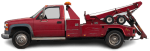
Light-duty towing is a towing service designed smaller and lighter vehicles. Tow truck used for light-duty jobs are generally equipped to handle passenger cars, sedans, SUVs, mototcycles and many smaller pickup trucks.
These tow trucks are built for everyday roadside situatuons rather than a large commercial vehicles, buses or heavy equipment. The right towing equipment depends on the vehicle’s size, weight, drivetrain and condition.
What Vehicles Can Be Towed With Light-Duty Equipment?
Light-duty towing commonly covers:
• Cars an sedans
• SUVs and crossovers
• Small pickup trucks
• Minivans
• Motorcycles
• Some small trailers
• Other lightweight personal vehicles
If You are unsure whether your vehicle qualifies for light-duty towing, provide the towing company with your vehicle”s make , model and year whne you call. This helps the dispatcher send the appropriate truck and equipment.
When Do You Need Light-Duty Towing?
There are many situations where a light-duty tow truck can help. Some of the most common include:
Vehicle Breakdowns
A mechanical failure can leave your vehicle stuck on the roadside. If the vehicle cannot be safely driven, towing it to repair shop may be the best option.
Flat Tires
Not every tire problem can be fixed at the roadside. If the tire is severely damaged, you do not have a usable spare or the vehicle has additional problems, a tow may be necessary.
Dead Battery
A jumps-start may solve some battery problems. However, If the battery is completely failed or teh vehicle still won’t start after a jump, towing may be necessary.
Accidents
After a collision, a vehicle may have hidden damage that makes driving unsafe. Light-duty towing can transport the vehicle to a repair facility, body shop or another appropriate location.
Vehicle Won't Start
A car that refuses to start can leave you stranded at home, at work, in a parkng lot or on the side of the road. A towing professional can safely move the vehicle when roadside troubleshooting does not solve the problem.
Illegally or Improperly Parked Vehicles
Light-duty towing may also be used to move certain improperly parked or disabled vehicles, depending on local laws and property-owner requirments.
How Does Light-Duty Towing Work?
The process is usually straightforward.
First, the towing company will ask for information about your location and vehicle. Be prepared to provide your vehicle type, exact location and the problem you are ecperiencing.
Next, the dispatcher sends a suitable tow truck. When the driver arrives, they assess the vehicle and dtermine the safest way to load and transport it.
Depending on the vehicle and situation, the tow operator may use a wheel-lift, flatbed or another appropriate towing method.
The vehicle is then transported to the requested destination, such as a mechanic dealership, body shop or another safe location.
Flatbed vs. Wheel-lift Towing
Two common methods used for light-duty towing are flatbed and wheel-llift towing.
A flatbed tow truck carries the entire vehicle on a level platform. This can be a good choice for vehicles that should not be driven or dragged along the road, including many accident-damaged vehicles and certain all-wheel-drive vehicles.
A wheel-lift tow truck uses a metal yoke to lift one end of the vehicle while the other wheels remain on the road. It can be an efficient option for many standard towing situations.
The towing professional should select the method based on the vehicle and circumstances.
Why Professional Light-Duty Towing Matters
Trying to move a disabled vehicle without the right equipment can cause assistional damage or crate a sadety hazard. Professional tow operators have the equipment and experience needed to secure and transport vehicles properly.
Professional towing can also help protect you from standing beside a disabled vehicle for an extended period, particularly on busy roads or highways.
How Much Does Light-Duty Towing Cost?
The Price of light-duty towing varies depending on several factors including:
• Distance of the tow
• Vehicle type and weight
• Time of the day
• Location
• Road and traffic conditions
• Type of towing equipment required
• Additional roadside services
Before service begins, ask the towing company about the estimated cost and whether additional fees may apply. This can help prevent surprises when the job is completed.
What Should You Do While Waiting for A Tow Truck?
Your safety should come first.
If possible, move the vehicle to a safe location away from moving traffic. turn on your hazard lights and remain in a safe area while waiting.
If you are stranded on a busy highway, avoid standing directly beside the vehicle or walking near traffic. Follow local emergency and roadway safety instructions.
When you call the towing company, give clear information about your location. Nearby intersections, mile markers, highway exits and visible landmarks can help the driver find you faster.
light-Duty Towing Can Get You Moving Again
A vehicle breakdown can happen when you least expect it. Whether you are dealing with an accident, mechanical failure, dead battery, flat tire or a vehicle that simply will not start, light-duty towing provides a practical way to move your vehicle safely.
Understanding what light-duty towing covers also makes it easier to choose the right service when an unexpected roadside problem occurs. When in doubt, contact a professional towing company and provide your vehicle information so they can determine the appropriate equipment for the job.